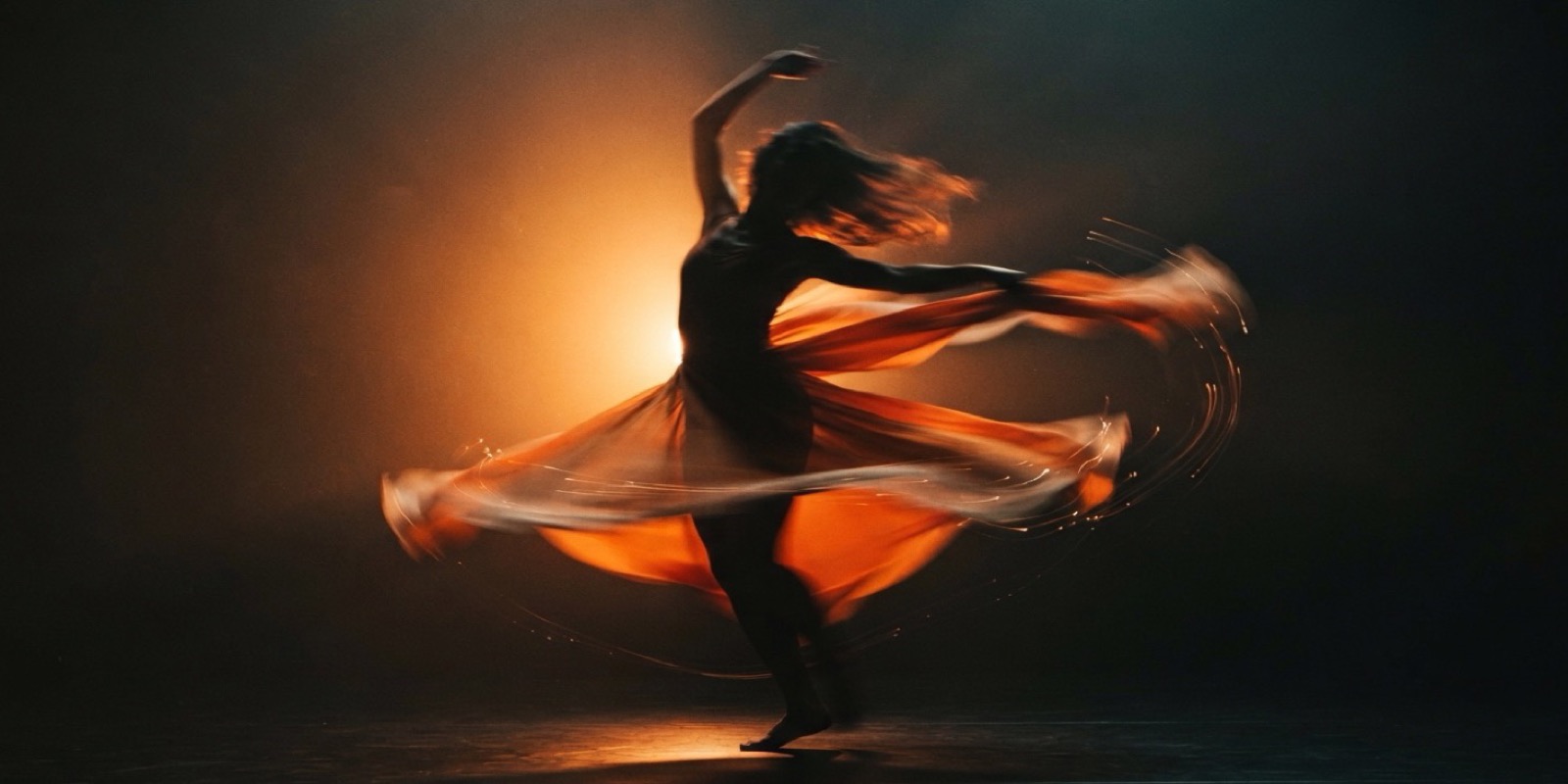
Replace a person in any video with a character from a single image – body movement, facial expressions, and scene lighting included.
The problem with character animation
You designed a brand mascot. Now you want it to dance in a product video. Until recently, that meant stitching together skeleton extraction, face detection, motion transfer, and a separate rendering model – each one a potential failure point, all of them expensive to run on cloud GPUs.
What is Wan 2.2 Animate?
Wan 2.2 Animate is a 14-billion parameter open-source model from Wan-AI (Alibaba Group). You feed it a video of a person performing an action plus a reference image of your target character. It generates a new video where the character replicates the performer’s movements and expressions.
Three technical decisions make this work.
Spatially-aligned skeleton signals drive body motion. The model extracts a pose skeleton from the source video and maps it onto the character, preserving posture and gait frame by frame.
Expression transfer works differently. Instead of tracking individual facial landmarks, the model learns compressed representations of the source face and projects them onto the target – even when the two look nothing alike, say a photograph mapped onto an anime character.
The third piece is a Relighting LoRA module that adjusts the character’s shading to match the scene. Without it, replaced characters look composited. With it, shadows and color temperature follow the original environment.
Together, these components run in a single forward pass. One inference call produces the final video.
What you can build with it
Animated brand content without a film crew. Record a 5-second clip of someone waving or pointing at a product. Combine it with your mascot as the reference image, and the character performs that exact action – ready for social media or product pages. Studios that previously booked motion capture sessions can now prototype from a phone video and a PNG.
Virtual try-on for e-commerce. Film one model walking in a neutral outfit, then swap in different virtual avatars for each product line. The motion stays identical across variants while the character changes, which keeps the presentation consistent without reshooting.